


The internet is chock-full of information, particularly regarding common pests you may encounter in or around your home in Massachusetts. However, this abundance of information can also lead to myths. You might encounter false claims, advice from influencers that isn’t backed by science, ineffective solutions, and difficulties in finding a professional pest control expert.
Pest control is an essential service for maintaining a healthy home. However, misinformation can lead homeowners in Massachusetts to make costly mistakes. Understanding the truth about pests will not only help you better protect your home, but it can also help you identify the signs when you will need to call the experts to take care of the problem before it becomes a major headache.
In this article, we’ll uncover seven common myths about pests in Massachusetts—and reveal the facts that bust these misconceptions.
Pest Myth 1: If You Don’t See Any Pests, They Aren’t There
One common misconception about pests in your Massachusetts home is that if you don’t see any, there are none. Many people don’t realize that infestations can go unnoticed for months. Often, there is no visible damage or signs of pests until it’s too late. This is especially true for carpenter ants and termites.
Other bugs that can go unnoticed before signs of damage or even being seen are bed bugs. These tiny pests make it hard to spot an infestation. Being nocturnal can also make it difficult to see these pesky little bugs, especially as they are good at hiding.
Pest Myth 2: Bedbugs Can Be Eliminated With DIY Techniques

Hold onto your essential oils, folks. While there are ways to help prevent bed bugs, truly eliminating an infestation with DIY Techniques is another common pest myth. Like tiny vampires, these pests come out to feed at night, making it hard to find them. Bed bugs reproduce quickly, causing larger infestations than most bugs and making it difficult to treat them on your own. If you ever do come across a bed bug in your home, it’s best to call your pest control company right away.
Pest Myth 3: Mice Only Eat Cheese

Contrary to most movies and cartoons, cheese is not the only cuisine a mouse enjoys in your Massachusetts home. Mice will munch on just about anything. Crumbs, dried fruit, candy, peanut butter 一 if it has sugar, you can bet a mouse will eat it. Studies show that cheese is the least likely food a mouse will choose, so if you’re hoping to catch a mouse in a trap, you’ll most likely lure it in with a piece of candy or chocolate.
Pest Myth 4: Bugs Won’t Enter a Clean Home
A clean home is a happy home, but that does not mean bugs will stay outside. Bugs enter homes in search of their basic needs: food, water, and shelter from rain or harsh weather. They can find their way inside through open doors, windows, cracks, or crevices. While a neglected home may attract bugs and keep them longer, it doesn’t guarantee that a clean and well-maintained home will be free of them. Bugs can also enter your home on your clothing, so it is best to check yourself after taking a walk outdoors.
Pest Myth 5: Bees Can Only Sting Once
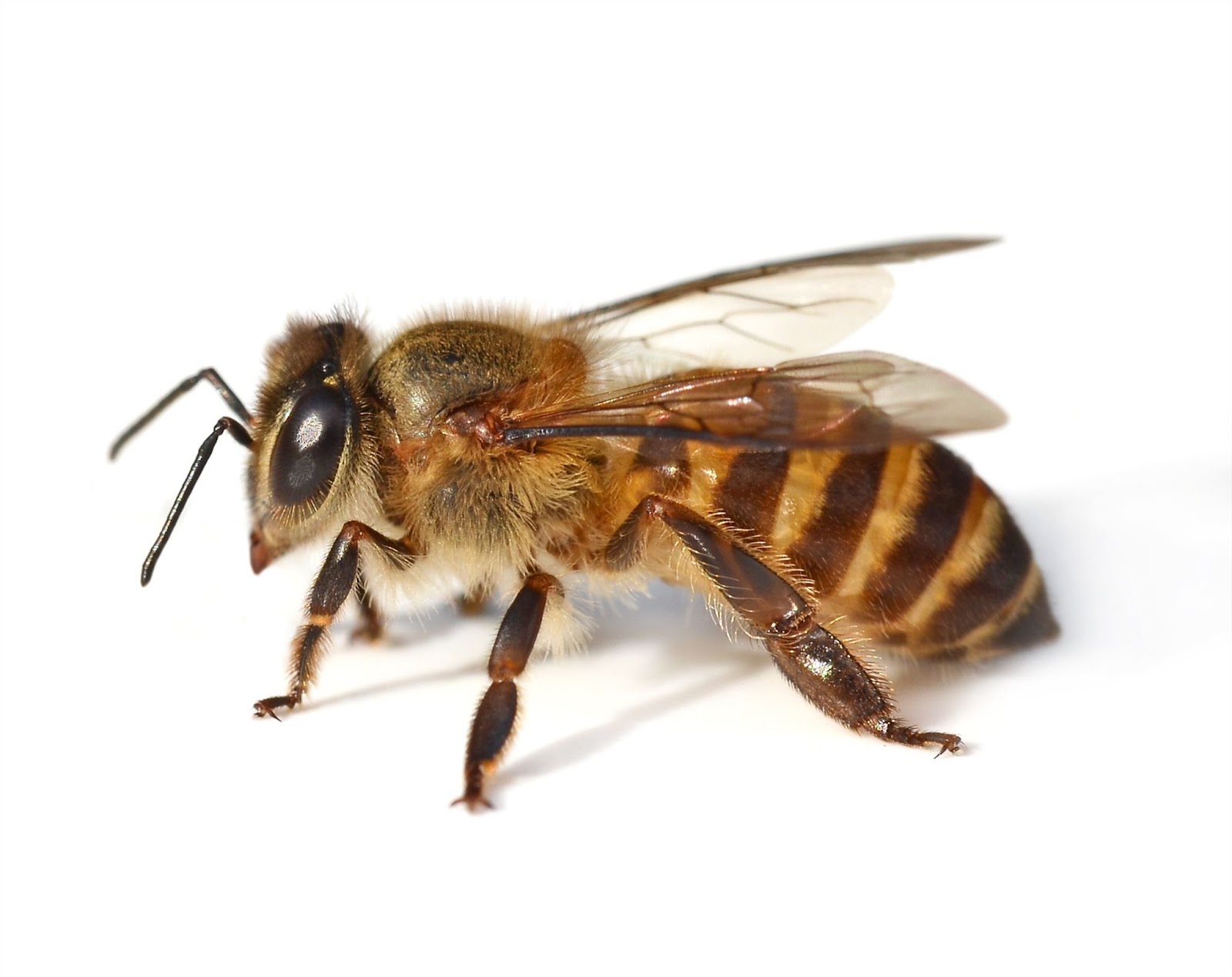
Believe it or not, bees can sting more than once in Massachusetts. Female Carpenter Bees do not have a hooked/barbed stinger, so they can sting multiple times, along with Bumble Bees and Queen Honey Bees. Their relatives, hornets and wasps, can also sting more than once.
The only bee that can sting only once is a honey bee.
Pest Myth 6: One Treatment Is Enough to Get Rid of Pests
One common myth about pests in Massachusetts is that a single pest control treatment can completely eliminate an infestation. In a perfect world, this would work. While one treatment may reduce visible activity, pests like ants, termites, roaches, and bed bugs often have colonies or nests hidden deep within walls, floors, or outdoor areas. Eggs and larvae may also survive the initial treatment, leading to reinfestation in your home weeks later.
Pest control for your Massachusetts home is an ongoing process, not just a one-time service. This is why we suggest having follow-up visits as well as regular monitoring. Depending on the type of pest you have in your home, seasonal treatments may be needed to manage breeding cycles and prevent pests from coming back.. Maintenance matters, and consistent care can truly keep your home pest-free.
Pest Myth 7: All Pesticides Are Dangerous for Pets and Kids
If you have children or pets, you may have some safety concerns about pest control and the products used to treat and eliminate these pesky nuisances that like to invade your home. Thankfully, modern pest management has come a long way. Today’s licensed pest control professionals use products designed to effectively treat pest problems while minimizing risks to people, pets, and the environment.
Pest control technicians in Massachusetts are required to follow detailed state regulations to ensure pesticides are used safely and responsibly. They often use Integrated Pest Management (IPM), which combines non-chemical methods with low-toxicity treatments. These solutions are safe for homes with children and pets when used correctly. It is best to contact a professional pest control company to assess your situation and use the safest and most effective methods for your needs.
Professional Pest Management
Believing every myth about pests and how to control them can lead to bigger issues. Knowing fact from fiction can help you save time, money, and unnecessary stress. At Swat Pest and Wildlife, we believe informed homeowners make the best decisions — and we’re here to help every step of the way.
Get a Free Estimate Today
Ready to protect your business? Contact SWAT Pest & Wildlife now for a free estimate customized to your pest control needs.
 SWAT Pest and Wildlife | Oxford, Massachusetts
Leave a comment