

Understanding how dry winter air affects pest behavior — and the buildings they enter — can help prevent infestations during one of the coldest months of the year.

Understanding Dry January and Its Connection to Pests
While some people associate the term “Dry January” solely with abstaining from alcohol during the first month of the new year, at SWAT Pest and Wildlife, we are referring to the period characterized by naturally low humidity in cold weather, which can dry out many things. January in Worcester County brings shorter days, freezing temperatures, and extremely dry air.
Many homeowners and business owners mistakenly believe that all their pest problems vanish during the winter months, but the reality is quite different. The cold, dry conditions of what some call “Dry January” often drive pests to seek refuge indoors where they can find warmth, food, and shelter.
In today’s article, we’ll cover:
- Why January air is so dry in Massachusetts
- How dry winter air changes pest behavior
- Rodents (mice and rats) and winter infestations
- Cockroaches and moisture-seeking behavior
- Spiders moving indoors during cold weather
- Stored-product pests and dry indoor environments
- How dry winter air impacts homes and buildings
- Why businesses are especially vulnerable in January
- Common January pest control questions
Why January Air Is So Dry in Massachusetts
Cold air holds less moisture than warm air. When your home and business are heated, and cold air seeps through, the indoor humidity levels drop even further, falling well below comfortable levels.
This dry environment affects people, buildings, and pests alike. Materials shrink, cracks widen, and pests adjust their behavior to survive, often by moving indoors.
How Dry Air Changes Pest Behavior in Winter
Dry winter air plays a major role in where pests reside and how active they become. While some insects remain dormant outdoors, others rely on heated indoor environments to survive through January.
Below are the most common winter pests affected by dry air in Massachusetts.
Rodents (Mice and Rats)
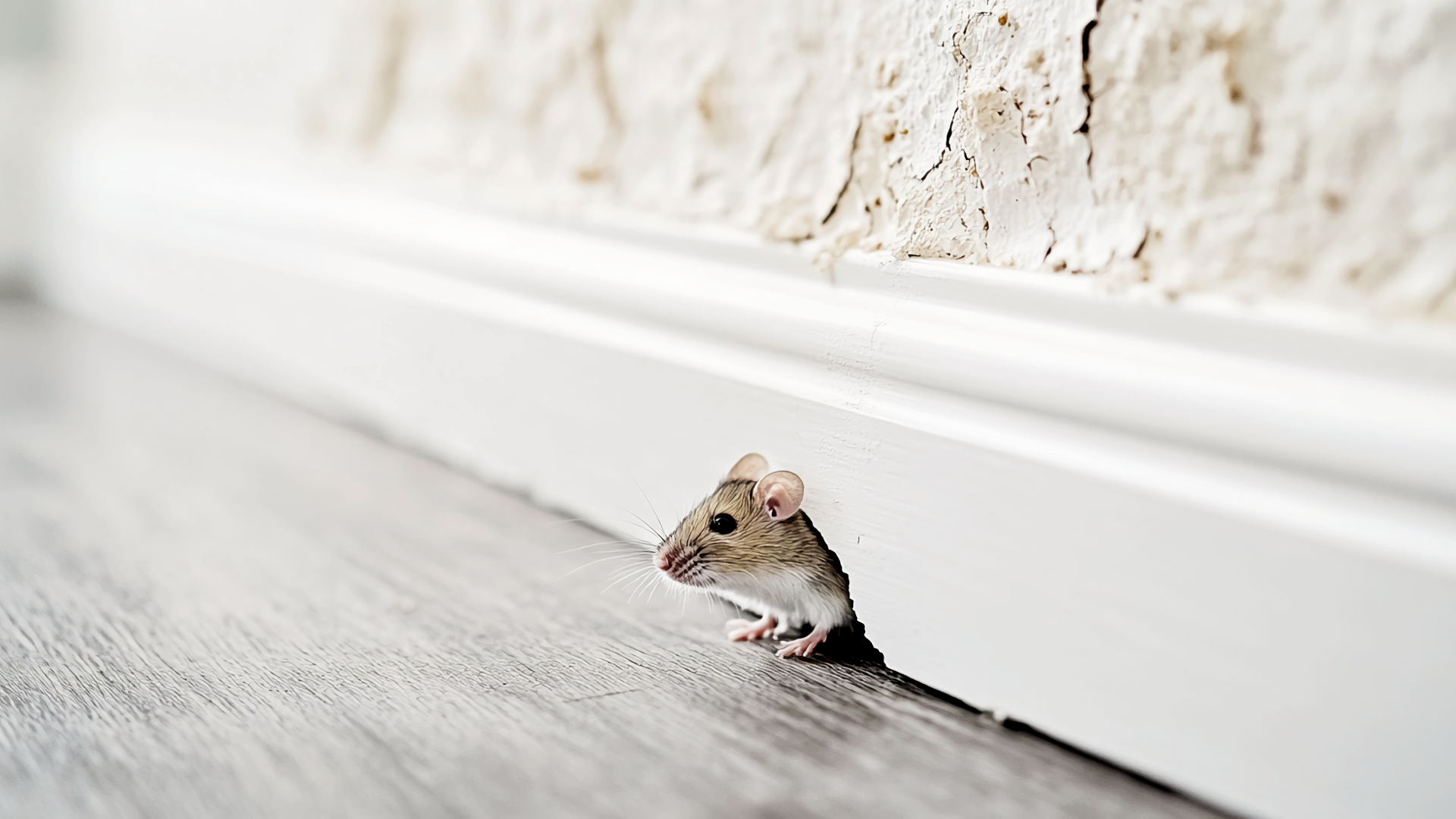
Rodents are one of the most active pests during January in Massachusetts, especially when cold, dry air makes living outside extremely difficult. Mice and rats rely on warm, sheltered environments to conserve their energy during the winter, which is why they frequently enter homes, offices, warehouses, and restaurants. Dry winter air also often exposes gaps in foundations, siding, and utility entry points, making buildings easier for rodents to get inside.
Once they enter, rodents nest in wall voids, insulation, and storage areas, where they can remain hidden while contaminating food and surfaces. Their constant gnawing can damage wiring and increase fire risks. Because rodents reproduce year-round indoors, even a small winter problem can quickly grow into a serious infestation if not addressed promptly.
Cockroaches
Cockroaches are usually seen in spring and summer because they like warm, humid places, but contrary to common belief, they do not go away in winter. Instead, they gather in damp areas of your home or business like kitchens, bathrooms, and plumbing systems, making it harder to spot them. In winter, the heating systems in Massachusetts dry out the indoor air, reducing the moisture that cockroaches need to live. As humidity levels drop, cockroaches seek water sources, including under sinks, near drains, around dishwashers, and in basements with plumbing lines.
Heated buildings maintain stable temperatures, and the presence of water sources enables cockroaches to survive and reproduce throughout the year. In apartments, restaurants, and commercial properties, winter heating can inadvertently create ideal conditions for these pests by driving them into hidden, damp, and hard-to-reach areas. Without professional treatment, winter infestations often go unnoticed until the cockroach population grows or warmer weather leads to increased visible activity.
Spiders
Spiders are spotted more often in January as cold, dry weather drives both spiders and their prey indoors. Dry winter air reduces insect activity outdoors, forcing spiders to follow food sources into basements, attics, crawl spaces, and storage areas. Heated buildings provide the stable temperatures spiders need to survive the winter months.
Although most spiders in Massachusetts are harmless, their presence can be unsettling in homes and offices. Because spiders rely on insects for food, increased spider sightings may also signal other pest activity. Dry indoor conditions can make spiders more mobile, leading to sightings on ceilings, walls, and corners of your home during the winter season.
Stored-Product Pests (Pantry Pests)
Dry January in Central Massachusetts can also lead to more activity from pests like beetles, weevils, and moths that infest stored food. These pests thrive in dry conditions and often come from packaged foods, deliveries, or bulk storage. In homes, you can find them in pantries, cabinets, and pet food containers.
In commercial settings such as restaurants, grocery stores, and warehouses, stored-product pest infestations can spread unnoticed within storage and stock areas. While some facilities actively control temperature and humidity, indoor conditions—particularly in storage rooms and back-of-house areas—can still support pest activity year-round. Because many stored-product pests remain active in indoor environments regardless of season, routine monitoring and professional inspections are often necessary to identify infestation sources and prevent recurring problems.
How Dry Winter Air Impacts Homes and Buildings
Dry January affects more than pest behavior — it also impacts the structure of homes and commercial buildings. As materials dry out, small cracks and gaps can expand around windows, siding, doors, and foundations. Weather stripping may also shrink or harden, creating easy entry points for pesky pests.
These changes make buildings more vulnerable during winter, even if pest problems were not present earlier in the year.
Why Businesses Are Especially Vulnerable in January
Commercial properties frequently see an increase in pest activity during the winter months. This is often due to constant heating, the presence of food storage areas, and reduced foot traffic, which can allow infestations to go unnoticed. Offices, restaurants, warehouses, and retail spaces can all be affected by pests during Dry January if preventive measures are not implemented.
Routine inspections during winter help prevent small issues from turning into costly disruptions.
January Pest Control FAQ
Do pests really stay active during winter in Massachusetts?
Yes. While some insects become dormant outdoors, many pests such as rodents, cockroaches, spiders, and pantry pests remain active indoors where temperatures are warm and stable.
Why do I see more pests in January?
Cold, dry air pushes pests indoors in search of warmth, moisture, and food. Heating systems and structural gaps make buildings more attractive during winter.
Are winter pest problems easier to control?
In many cases, yes. Pest populations are often smaller in winter, making January an ideal time for inspections and preventive treatment before spring activity increases.
Can dry indoor air make pest problems worse?
Yes. Dry air can drive pests toward kitchens, bathrooms, and storage areas where moisture and food are available, concentrating activity in specific areas of a building.
Should businesses schedule pest control in January?
Absolutely. Winter inspections help businesses identify hidden infestations early and maintain a pest-free environment year-round.
Final Thoughts on Pest Prevention During Dry January

Dry January doesn’t just affect your comfort — it also changes pest behavior and increases the risk of indoor infestations. Cold, dry air drives unwanted pests into homes and businesses across Massachusetts, making winter pest prevention essential.
At SWAT Pest & Wildlife, we help homeowners and businesses stay protected during every season. Our winter pest control services are designed to address the unique challenges of New England winters, keeping your property safe, clean, and pest-free.
 SWAT Pest and Wildlife | Oxford, Massachusetts
Leave a comment