


Key Insights for Worcester County Residents
March is coming in like a lion, whipping the days of winter and blasting snow aside. As the air grows warmer, so does the activity for pests, like ticks and mosquitoes. While they may seem like a simple outdoor nuisance, these creepy crawlers are capable of spreading serious illnesses and can quickly become a problem for homeowners, families, and pets alike.
For residents in Worcester County, Massachusetts, early spring is the ideal time to start thinking about prevention plans before pest populations begin to grow.
In today’s article, we will discuss the following:
- Why Ticks and Mosquitoes Appear in Early Spring
- Mosquito Activity Around Your Property
- Tick Habitats Near Homes
- Why Early Prevention Helps
Why Ticks and Mosquitoes Appear in Early Spring
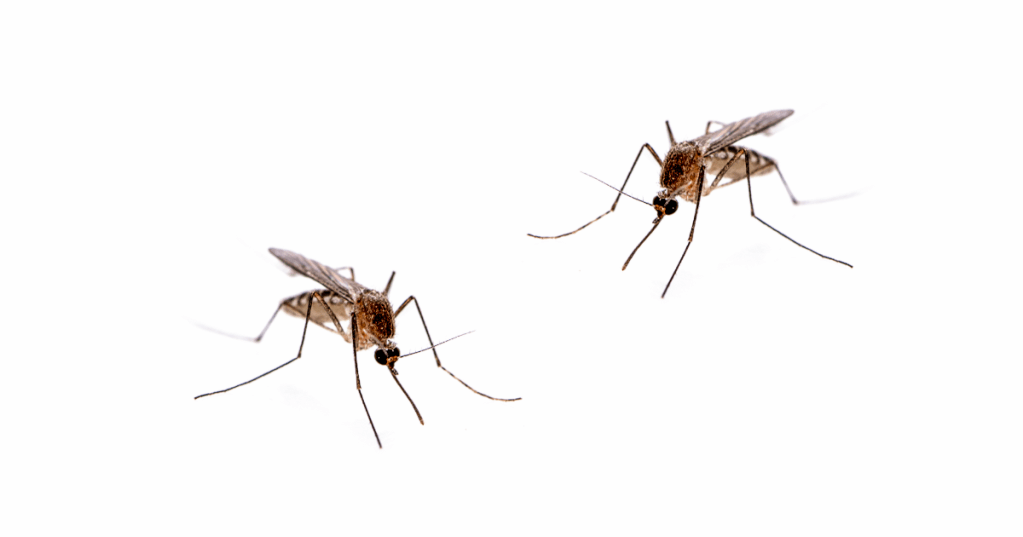
While these buggers do not truly die off in the winter, ticks and mosquitoes survive by becoming dormant and entering a state called Diapause. This state helps them survive the cold when food is hard to find. Mosquito eggs from the previous season can stay dormant in standing water until warmer weather makes them hatch. Ticks hide under brush, leaf litter, and in wooded areas all winter until temperatures rise above freezing.
In Central Massachusetts, fluctuating March temperatures can bring these pests out earlier than many homeowners expect.
Mosquito Activity Around Your Property
Mosquitoes need standing water to reproduce. Even small amounts of water can become breeding sites once the weather warms up.
Common mosquito breeding areas include:
- Clogged gutters and downspouts
- Old tires or buckets left outdoors
- Ponds, puddles, drainage areas, and low spots in lawns
- Bird baths and garden containers
By eliminating standing water early on, you can help reduce the number of mosquitoes that emerge later in spring and summer.
Tick Habitats Near Homes
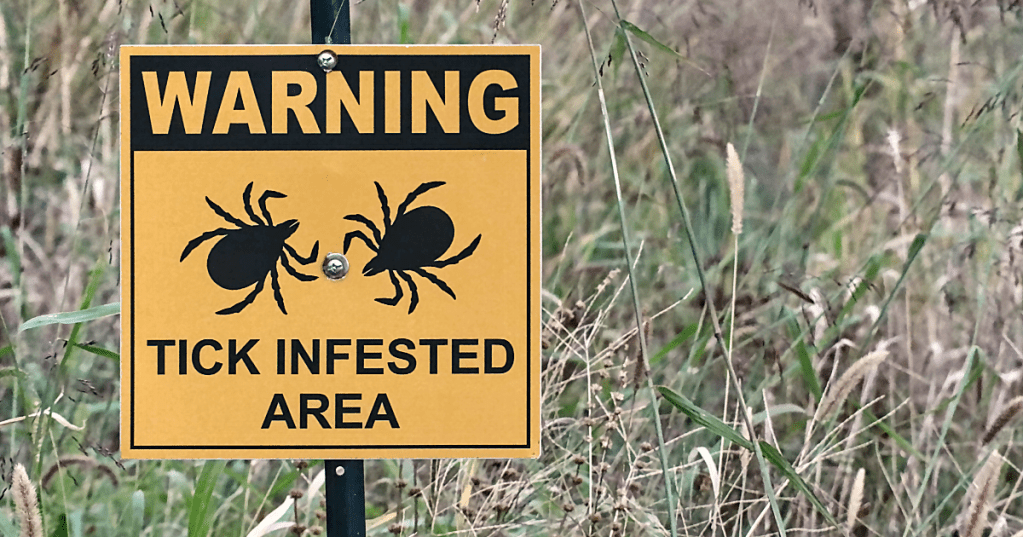
Ticks prefer shaded environments where they can wait for a host to pass by. They are commonly found in:
- Tall grass and brush
- Leaf litter around yards
- Wooded property edges
- Areas where wildlife frequently travel
Ticks frequently latch onto animals like deer, rodents, and pets, and they can easily spread into residential yards. To prevent bringing ticks into your home, it’s essential to check all family members for any unwanted passengers before they enter the house. This helps ensure that no ticks try to make a person their new host.
Why Early Prevention Matters
When ticks and mosquitoes settle in, it gets harder to control their numbers. Treating your yard early in the season can help reduce their breeding before their population grows.
Swat Pest and Wildlife offers professional pest control programs that focus on areas where these pests breed and high-risk spots. These programs create a barrier around your yard to keep it protected during the warmer months.
FAQ: Ticks and Mosquitoes
Are ticks and mosquitoes active in March in Central Massachusetts?
Yes. On warmer spring days, both pests can become active earlier than expected.
Why are mosquitoes so common in residential areas?
Mosquitoes only need small amounts of standing water to breed, which can easily collect around homes and properties.
Where are ticks most likely to be found?
Ticks thrive in tall grass, wooded areas, and leaf litter where they can wait for hosts.
Can prevention really reduce pest populations?
Yes. Addressing breeding areas and applying early treatments can significantly lower tick and mosquito activity.
Why Choose SWAT Pest & Wildlife
SWAT Pest & Wildlife offers seasonal mosquito and tick prevention programs designed specifically for properties throughout Central Massachusetts. Our team inspects your property, identifies areas where pests are likely to breed or hide, and applies targeted treatments to reduce populations before they become overwhelming. With routine seasonal treatments, homeowners can enjoy their outdoor spaces with greater peace of mind throughout spring and summer.
 SWAT Pest and Wildlife | Oxford, Massachusetts
Leave a comment